AR Glasses for Manufacturing: Revolutionizing the Future of Industrial Work
In the fast-paced world of Industry 4.0, digital transformation is no longer optional—it’s a necessity. Among the most groundbreaking innovations, AR glasses for manufacturing are redefining how industries operate, train employees, and manage workflows. By merging augmented reality with real-time data, AR glasses are providing manufacturers with unprecedented levels of efficiency, accuracy, and safety.
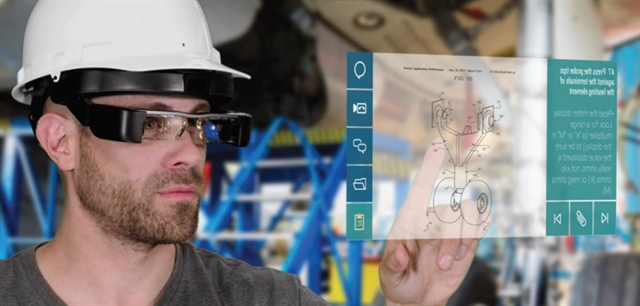
What Are AR Glasses for Manufacturing?
AR (Augmented Reality) glasses are wearable smart devices that overlay digital information—such as instructions, 3D models, or alerts—onto the real-world environment. Unlike VR (Virtual Reality), which immerses the user into a fully virtual space, AR keeps workers grounded in their physical environment while enhancing it with relevant digital data.
For manufacturing, this means technicians, engineers, and assembly line workers can view real-time guidance, machine diagnostics, or safety protocols directly through their glasses without needing to check manuals, screens, or handheld devices.
Key Benefits of AR Glasses in Manufacturing
-
Improved Productivity
AR glasses allow workers to access step-by-step instructions directly in their field of view. This reduces downtime caused by searching for information in manuals or digital systems. As a result, tasks can be completed faster and with fewer errors. -
Enhanced Worker Safety
Manufacturing floors can be hazardous environments. AR glasses can display safety alerts, highlight restricted areas, or provide warnings when machinery is overheating or malfunctioning. This proactive approach minimizes accidents and keeps employees safer. -
Streamlined Training
One of the biggest challenges in manufacturing is training new employees efficiently. With AR glasses, workers can follow immersive, interactive tutorials on live machinery. Instead of relying solely on theory or supervision, they gain hands-on learning experiences that accelerate skill acquisition. -
Remote Assistance
AR glasses for manufacturing make it possible for experts to guide workers remotely. A field technician can share their real-time view with an expert located anywhere in the world. The expert can then annotate the worker’s view, pointing out exactly what needs to be done, reducing downtime and travel costs. -
Reduced Errors and Quality Control
Mistakes in assembly or production can cost manufacturers both time and money. AR glasses provide digital overlays that ensure workers follow precise instructions. This leads to higher accuracy and improves quality control across production lines.
Use Cases of AR Glasses in Manufacturing
-
Assembly Lines: Workers can receive instructions for each step in assembling complex machinery.
-
Maintenance & Repairs: AR glasses display real-time diagnostics and highlight components that need replacement.
-
Logistics & Warehousing: Smart glasses can direct workers to the exact location of items, optimizing picking and inventory management.
-
Quality Assurance: AR helps inspectors identify defects by comparing real-world products with digital 3D models.
-
Worker Training Programs: Trainees get guided experiences without halting actual production.
AR Glasses and the Future of Smart Factories
The integration of AR glasses with IoT (Internet of Things) and AI is set to revolutionize manufacturing even further. Imagine AR glasses connected to smart sensors that automatically notify workers when a machine part is wearing out. Or AI-powered AR systems that provide predictive maintenance schedules to prevent breakdowns before they happen.
As industries shift toward smart factories, AR glasses are becoming a vital tool in bridging the gap between human skills and digital automation. Companies that embrace this technology early will enjoy a significant competitive advantage in efficiency, cost reduction, and workforce productivity.
Conclusion
The manufacturing sector is entering a new era, where digital innovation meets hands-on work. AR glasses for manufacturing are no longer futuristic gadgets—they are practical tools driving real results today. From improving safety and productivity to transforming training and quality assurance, AR glasses are setting new standards across industrial environments.


Comments
Post a Comment